The Hearth & Whisk guide
How to choose kitchen gadgets you will actually keep using
Most kitchen drawers are full. The useful question is not which gadget is newest, but which one removes a step you repeat every week. This guide walks through materials, the small set of tools that covers most home cooking, and the care habits that keep them working.
1. What actually counts as a kitchen gadget
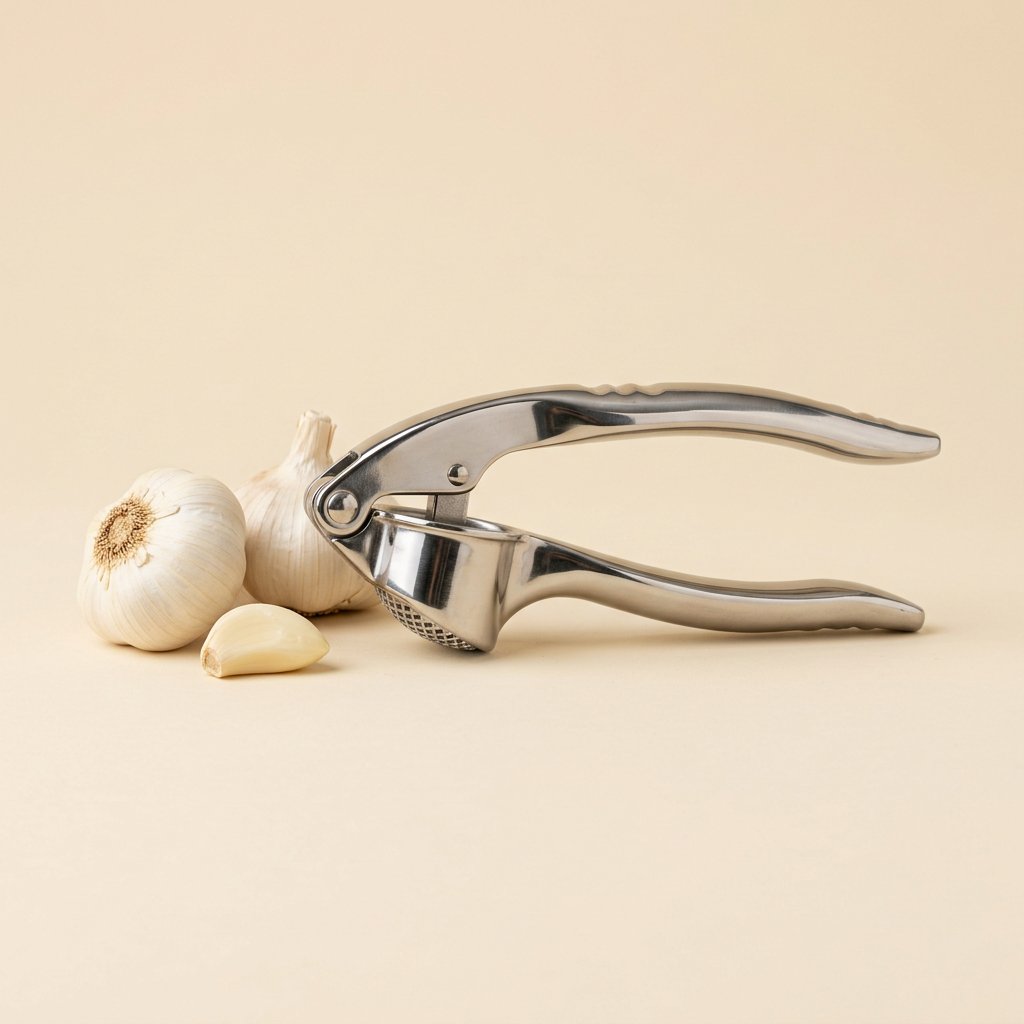
A kitchen gadget is a single-purpose hand tool that makes one repetitive task faster, safer or more consistent. A garlic press crushes cloves. A bench scraper moves chopped vegetables. An instant-read thermometer replaces guesswork with a number. None of these replace a knife, a pan or a mixing bowl — they sit alongside them.
That distinction matters when you are spending money. Appliances add capability but also demand counter space, storage and cleaning. Gadgets cost less and disappear into a drawer, which means the bar for usefulness is different: a $24 tool that saves two minutes on a task you do four nights a week pays for itself in attention long before it wears out.
Before adding anything to your cart, ask three questions:
- How often will I use it? Weekly tools deserve better materials than once-a-year tools.
- What does it replace? If it duplicates a tool you already own, one of them should go.
- How hard is it to clean? A gadget that takes five minutes to wash tends to stay in the drawer.
2. Materials that last longer than the novelty
Material choice explains most of the price difference between two gadgets that look identical in a photo. It also explains most of the difference in how they feel after a year of use.
18/10 stainless steel
An alloy with chromium and nickel for corrosion resistance. Good for presses, whisks and thermometer probes. Dishwasher safe in most cases, and it does not hold odors.
Food-grade silicone
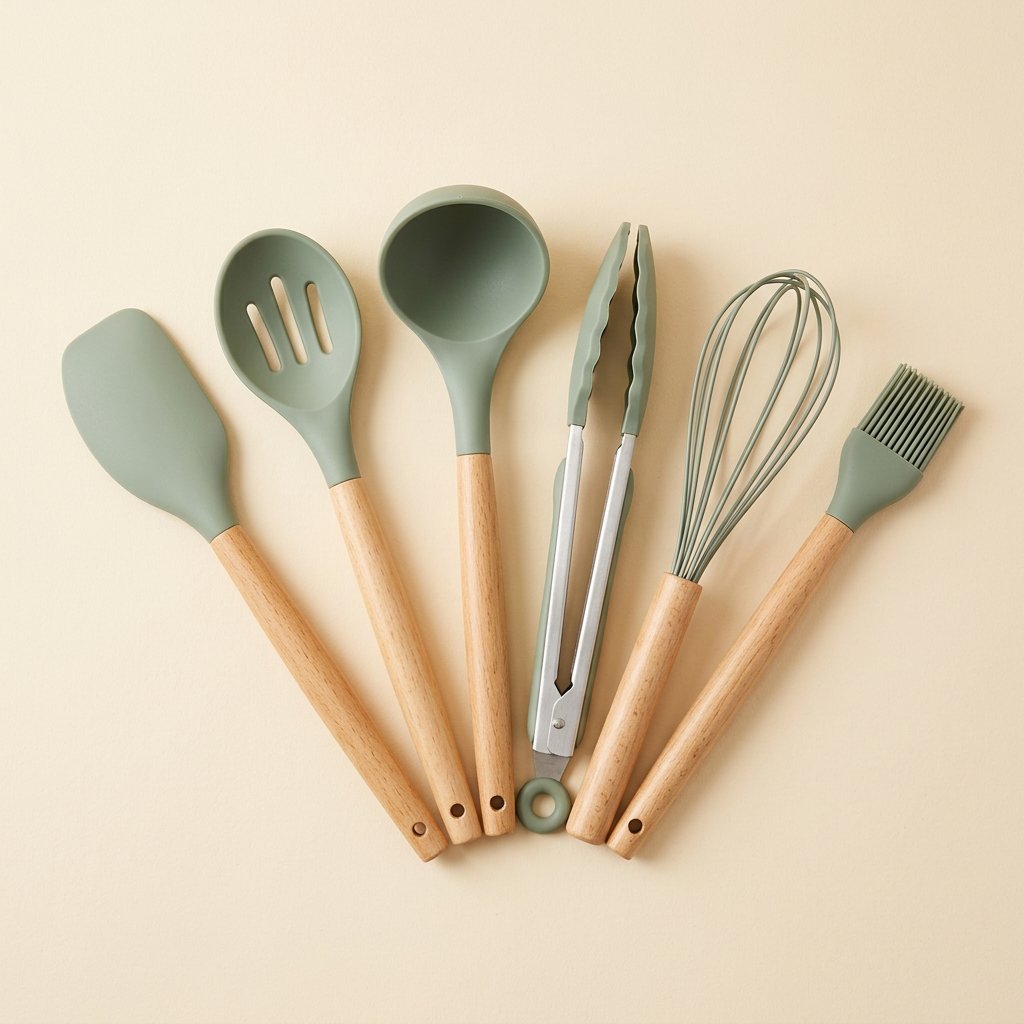
Flexible, non-scratch and typically rated between 400°F and 450°F. Ideal against nonstick coatings. Check the stated heat limit before leaving one in a hot pan.
Beech and bamboo
Warm in the hand and gentle on cookware. Hand wash and dry upright; prolonged soaking or a dishwasher cycle causes swelling and cracking.
Borosilicate glass
Handles temperature changes better than soda-lime glass and does not absorb smells or stains. Useful for storage jars and measuring vessels.
Two construction details are worth checking on any hand tool. First, the joint: a handle that is riveted or molded around its metal core will outlast one that is glued. Second, the seam: gaps where a handle meets a working head collect food and are difficult to sanitize. Look for a continuous surface or a tool that separates for washing.
3. A six-tool starter set that covers most nights
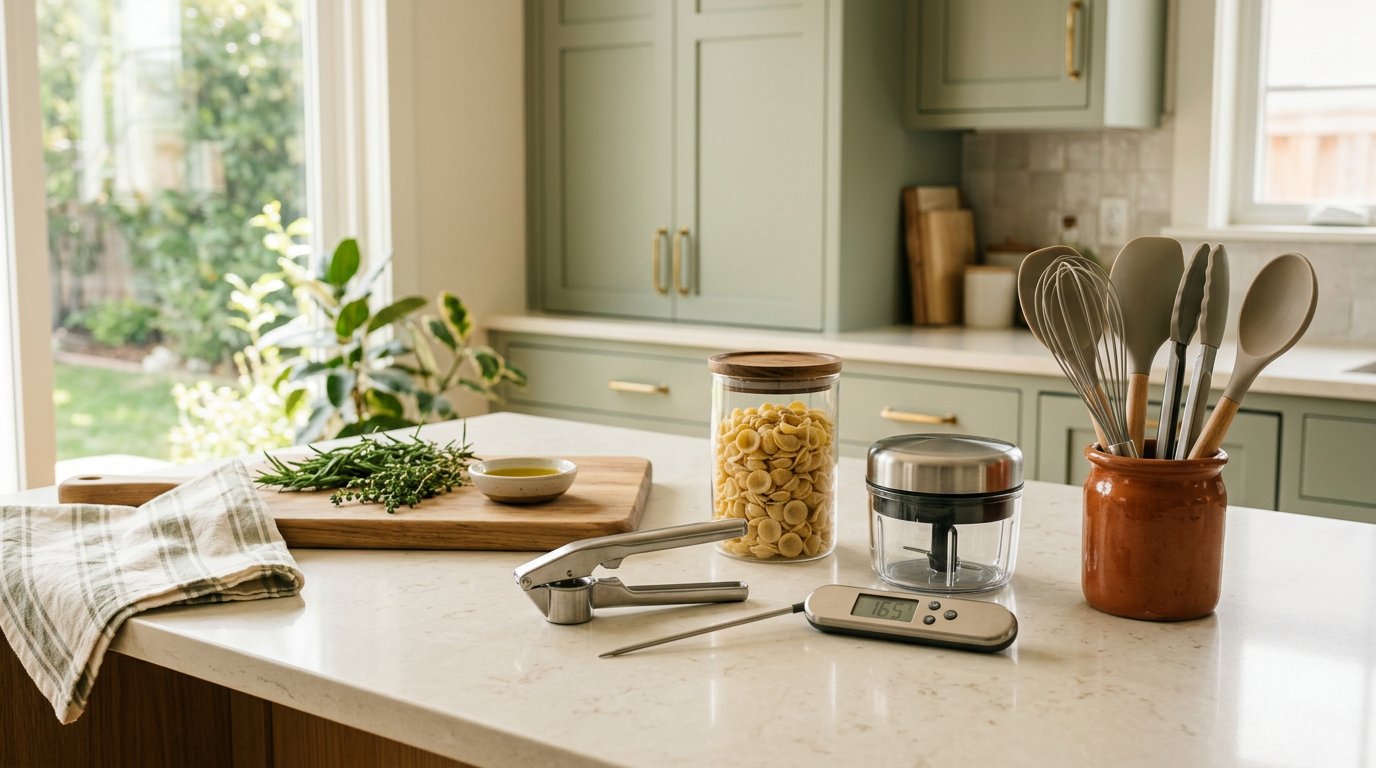
If you are outfitting a first kitchen or rebuilding a cluttered drawer, a small set covers a surprising share of everyday cooking. The six categories below are the ones we stock, chosen because each handles a task that comes up several times a week.
Prep: a garlic press and a vegetable chopper
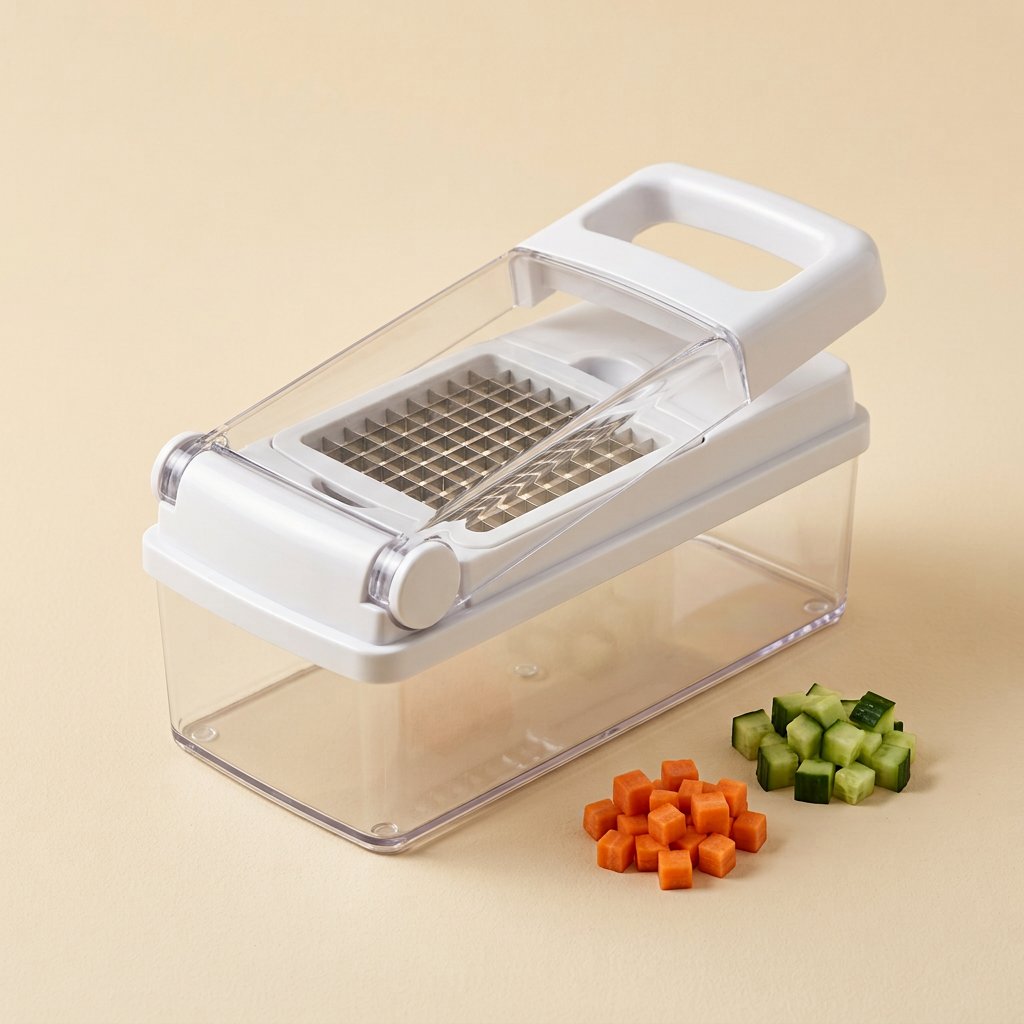
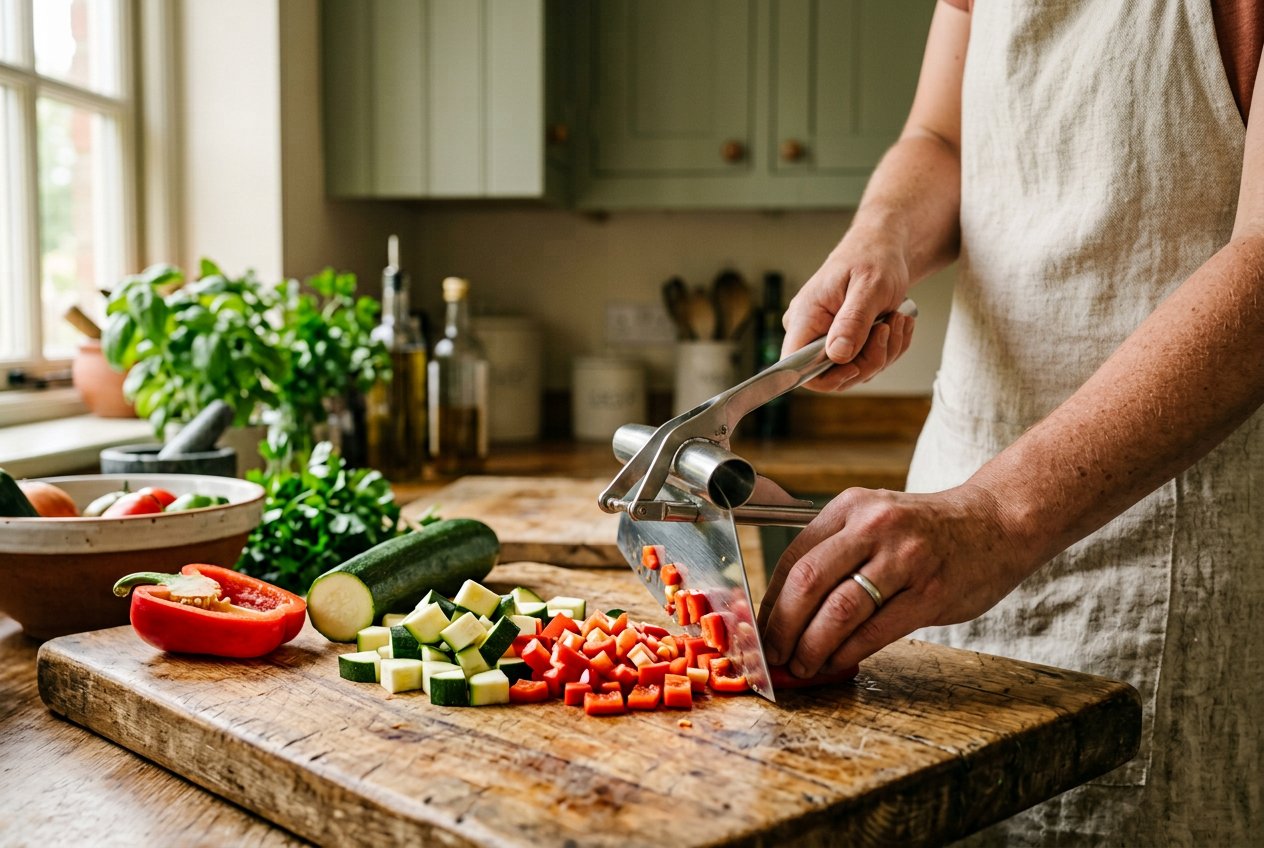
A press removes peeling and mincing from the sequence entirely; drop in an unpeeled clove, squeeze, and wipe the chamber. A chopper handles volume. Choose a press with a removable basket or an open chamber you can rinse from both sides, and a chopper whose blade grid lifts out — otherwise cleaning takes longer than chopping.
Cooking: silicone utensils and an instant-read thermometer
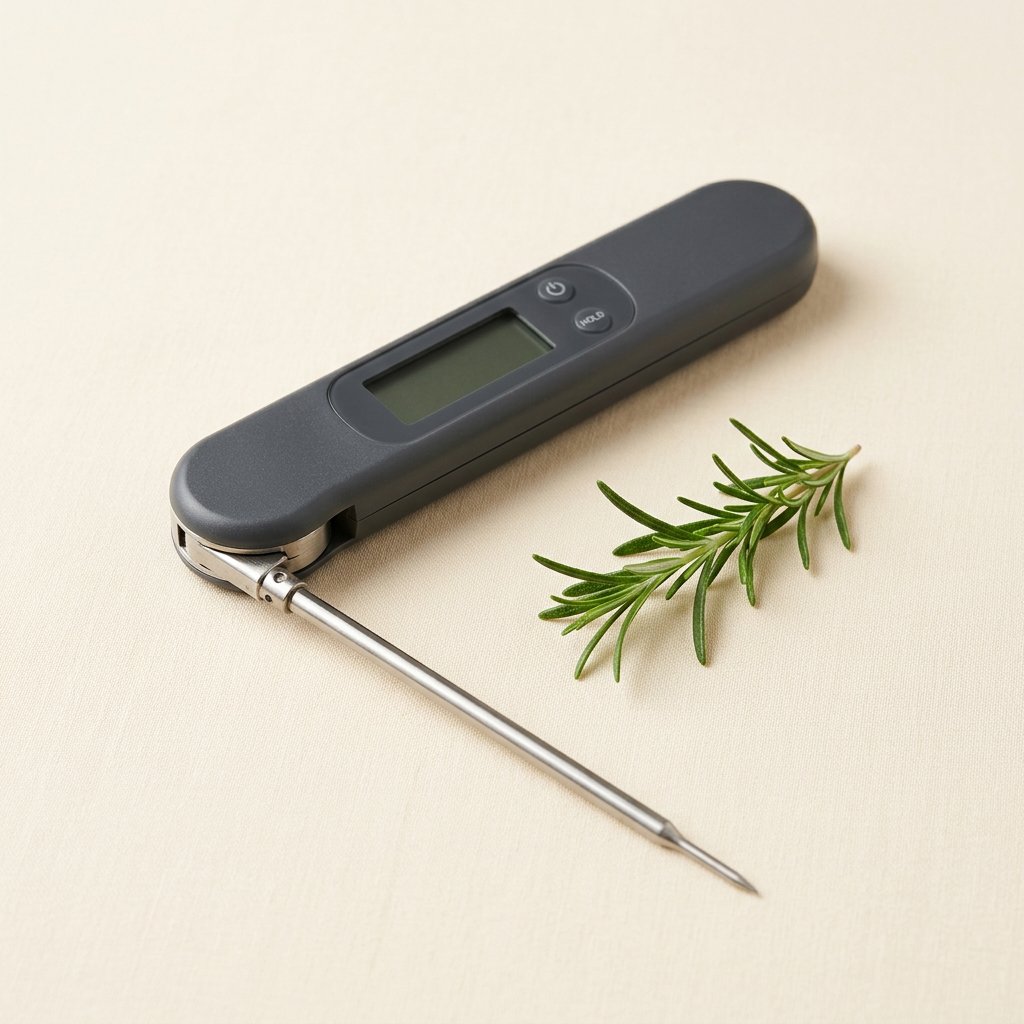
Silicone heads protect nonstick surfaces and tolerate high heat within their rating. A set with a spatula, slotted spoon, ladle, tongs, whisk and brush covers stirring, serving and basting. The thermometer is the single most useful accuracy tool in a home kitchen: it tells you when chicken has reached a safe internal temperature instead of asking you to judge by color.
Storage and beverages: glass jars and a handheld frother
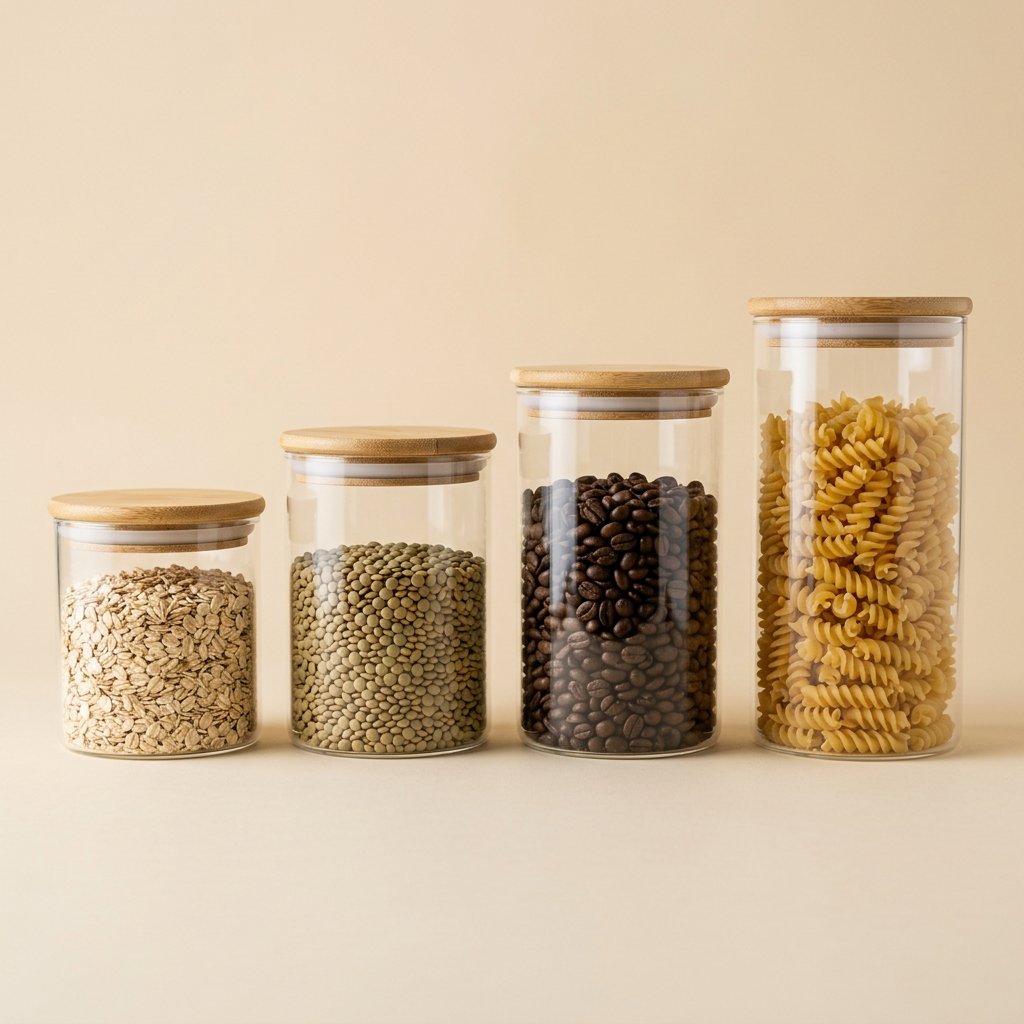
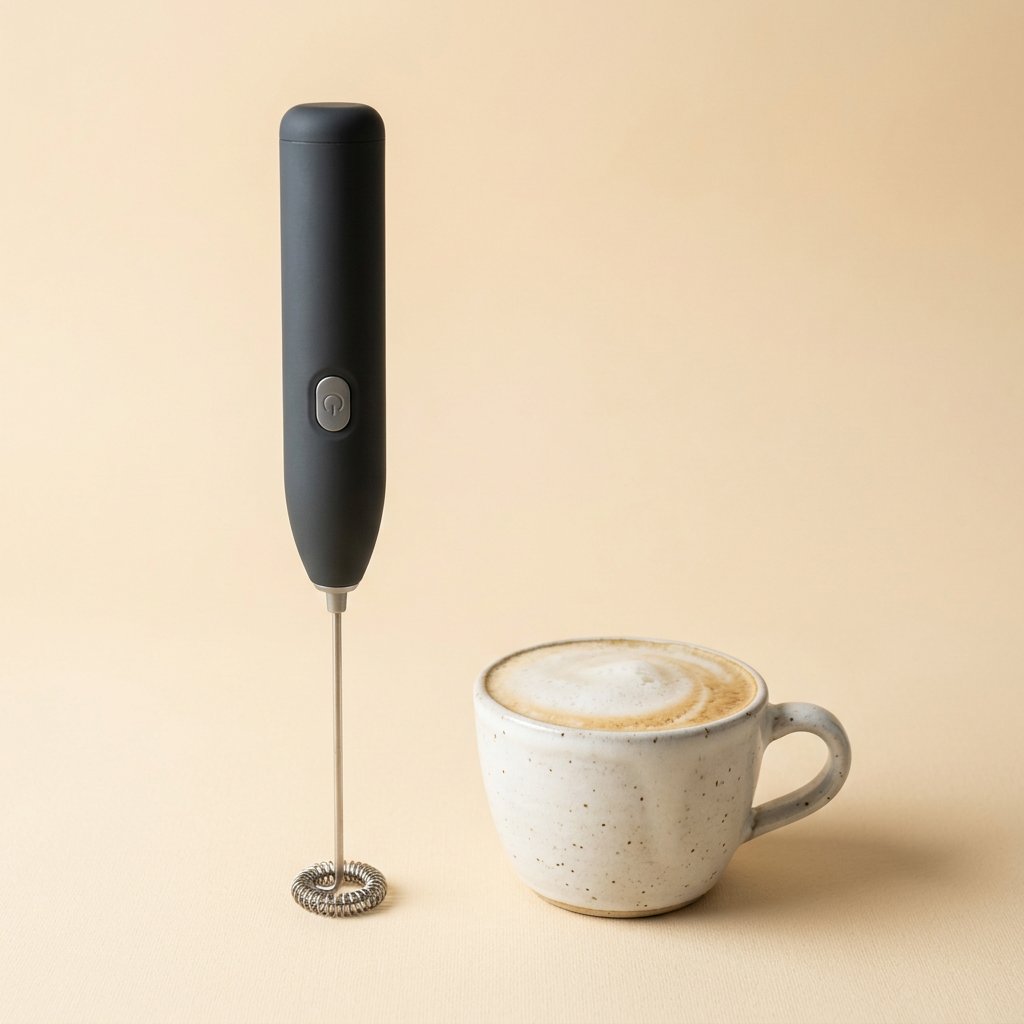
Airtight glass jars keep dry goods visible, which reduces both spoilage and duplicate purchases. A battery frother is a small luxury that takes ten seconds to rinse and replaces a bulky appliance for anyone who drinks milk-based coffee at home.
Buy the tool that removes a step you repeat every week. Skip the one that solves a problem you have not had yet.
Hearth & Whisk buying principle
4. Cooking by temperature instead of by guesswork
Color and texture are unreliable indicators of doneness, particularly with poultry and ground meat. The USDA publishes safe minimum internal temperatures for common foods, and a thermometer is how you confirm them. Commonly cited targets include:
- Poultry, including ground poultry: 165°F (74°C)
- Ground beef, pork, veal and lamb: 160°F (71°C)
- Whole cuts of beef, pork, veal and lamb: 145°F (63°C) with a three-minute rest
- Fish: 145°F (63°C), or until the flesh is opaque and flakes
- Reheated leftovers: 165°F (74°C)
These figures are general food-safety guidance, not a substitute for official sources. For authoritative and current recommendations, consult the USDA Food Safety and Inspection Service or your local health authority.
Technique matters as much as the tool. Insert the probe into the thickest part of the food, avoid bone and the pan surface, and wait for the reading to settle. On thin items such as chicken breasts, slide the probe in from the side so the sensor sits in the center rather than passing through.
Care note: most instant-read thermometers are water-resistant at the probe, not submersible. Wipe the stem with hot soapy water and keep the display housing dry. Remove the battery if you are storing the unit for a long period.
5. Storage and the logic of a usable drawer
The best-organized kitchens group tools by the moment they are used, not by what they are made of. Prep tools live near the cutting board. Stirring tools live within arm's reach of the stove. Storage containers live where you fill them, ideally close to the pantry or the fridge.
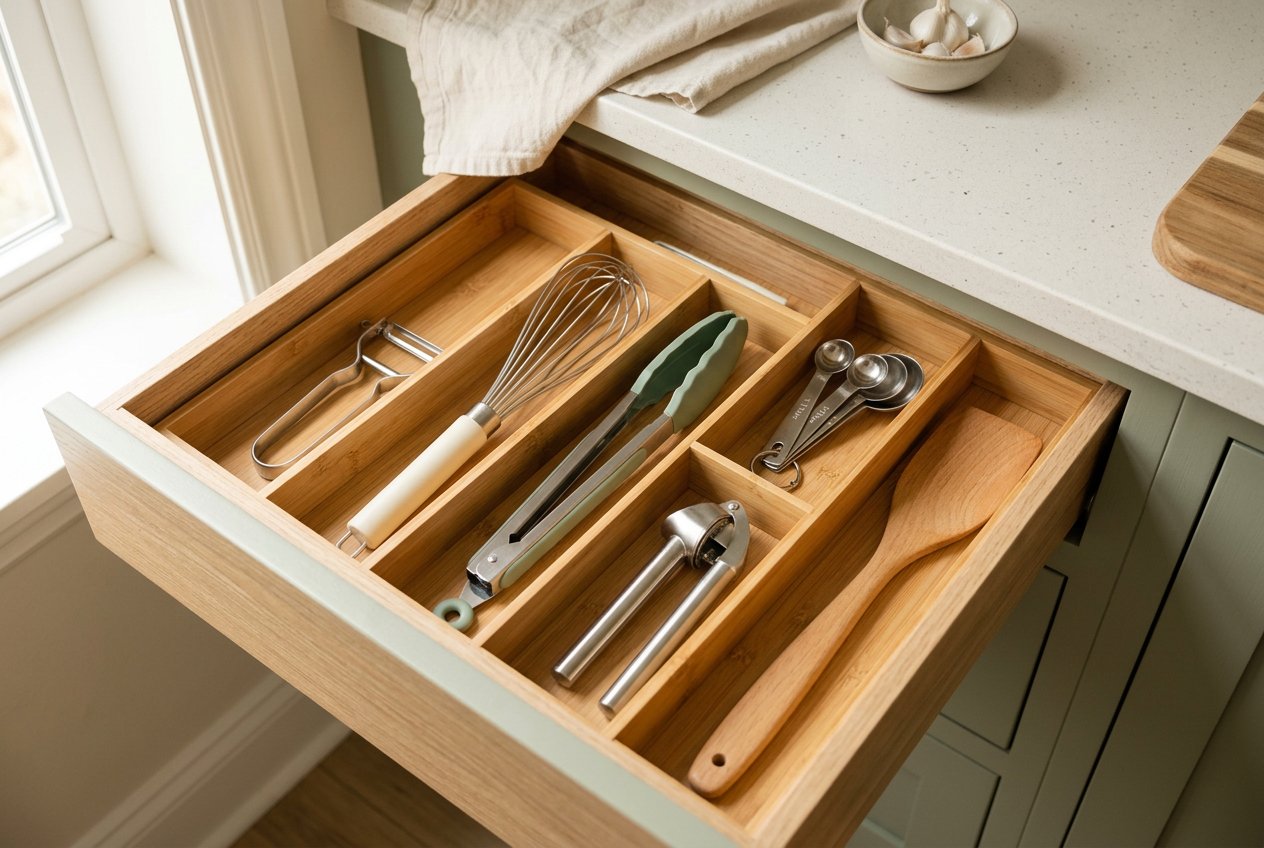
Three habits keep the system working:
- Keep daily tools in the top drawer. Anything used more than three times a week should not require a step stool or a bending motion.
- Decant only what you use quickly. Airtight glass is excellent for flour, oats, pasta and coffee. Whole spices and anything sensitive to light are better in a dark cupboard.
- Run a twice-yearly reset. Put every gadget in a box and return items to the drawer only as you use them. After two months, whatever is still in the box is a donation.
6. Cleaning and care that extend working life
Most gadget failures are cleaning failures. Food residue hardens in a hinge, a wooden handle swells, a blade dulls against a ceramic sink. A short routine prevents nearly all of it.
- Rinse immediately. Starch and egg set within minutes. Thirty seconds of rinsing beats ten minutes of scrubbing later.
- Hand wash wood and coated blades. Detergent and heat strip natural oils from handles and dull chopper grids.
- Dry before storing. Trapped moisture in a closed drawer causes rust spots on steel and warping on bamboo.
- Check silicone ratings. A utensil rated to 400°F should not rest against the rim of a pan under a broiler.
- Replace worn parts, not whole tools. A frayed brush or a loose probe is a reason to contact us about a replacement, not to discard the set.
7. Common buying mistakes worth avoiding
Buying a large set to get one good tool. Twenty-piece bundles are usually priced around two useful items and eighteen you will not touch. Buy the pieces you need individually, then add.
Ignoring the cleaning path. If you cannot see how water reaches every surface that touches food, the design will frustrate you.
Trusting unverifiable claims. Be cautious with listings that promise commercial-grade results without stating a material, a heat rating or a warranty term. Specific numbers are a better signal than superlatives.
Skipping the return policy. Hand tools are personal. Grip size, weight and balance are things you can only judge in your own kitchen, which is why our 30-day return window applies to every gadget we sell.
Ready to build the set? Browse the current collection, or send us a question and we will help you choose based on what you cook most.